
SUPPORT OUR PROJECTS
Defend the practice of olive growing to give new impetus and future to the Puglia region
Save the Olives supports research and the C.N.R. with tangible projects.
01.
Supporting the future of the Mediterranean through funding research
We strongly believe this is an essential point to imagine a new future for Apulia and the Mediterranean.
‘Save the Olives’ supports research and CNR (National Research Council) with specific projects, essential to give new impetus and speed up the search for new olive varieties resistant to the bacterium.
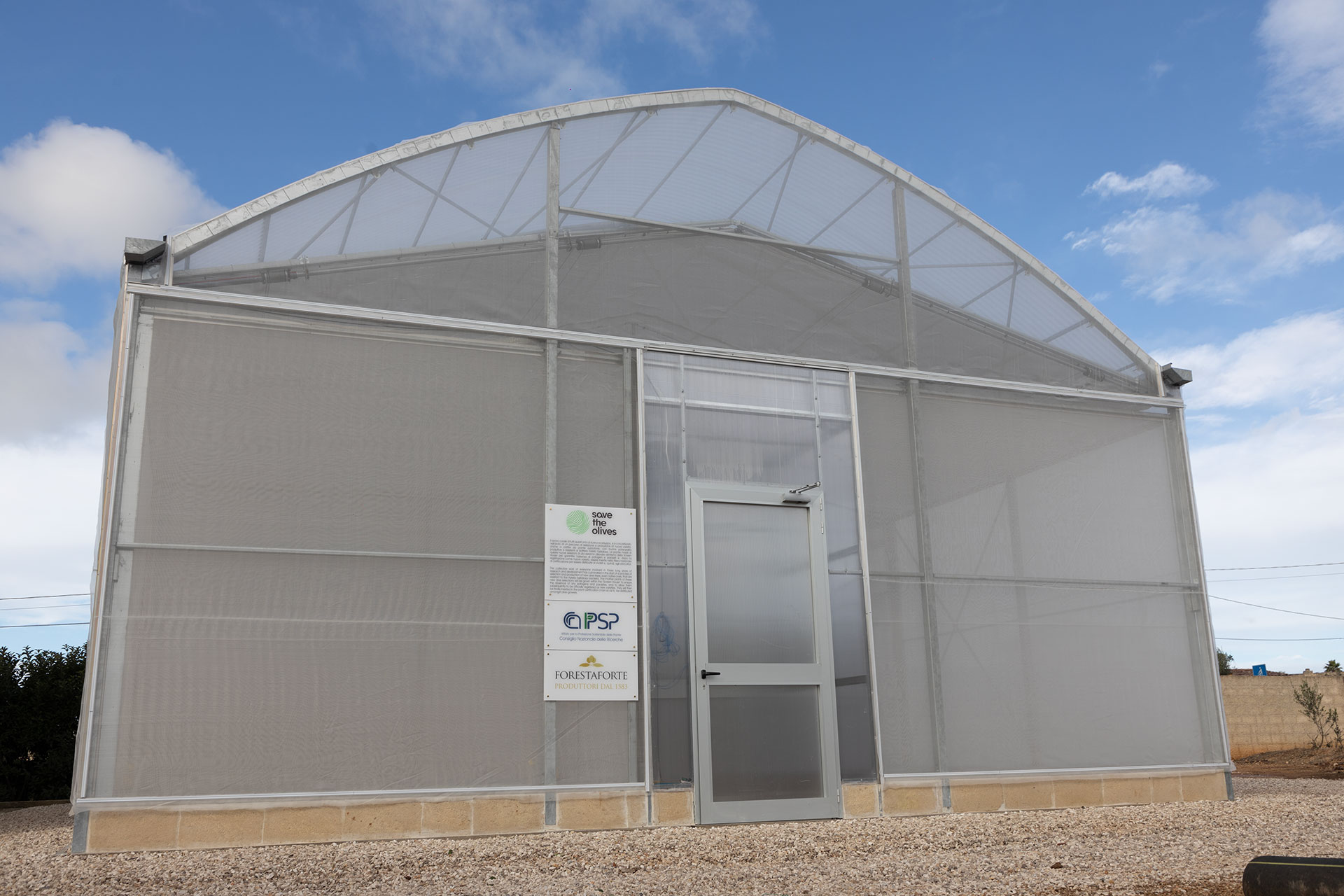
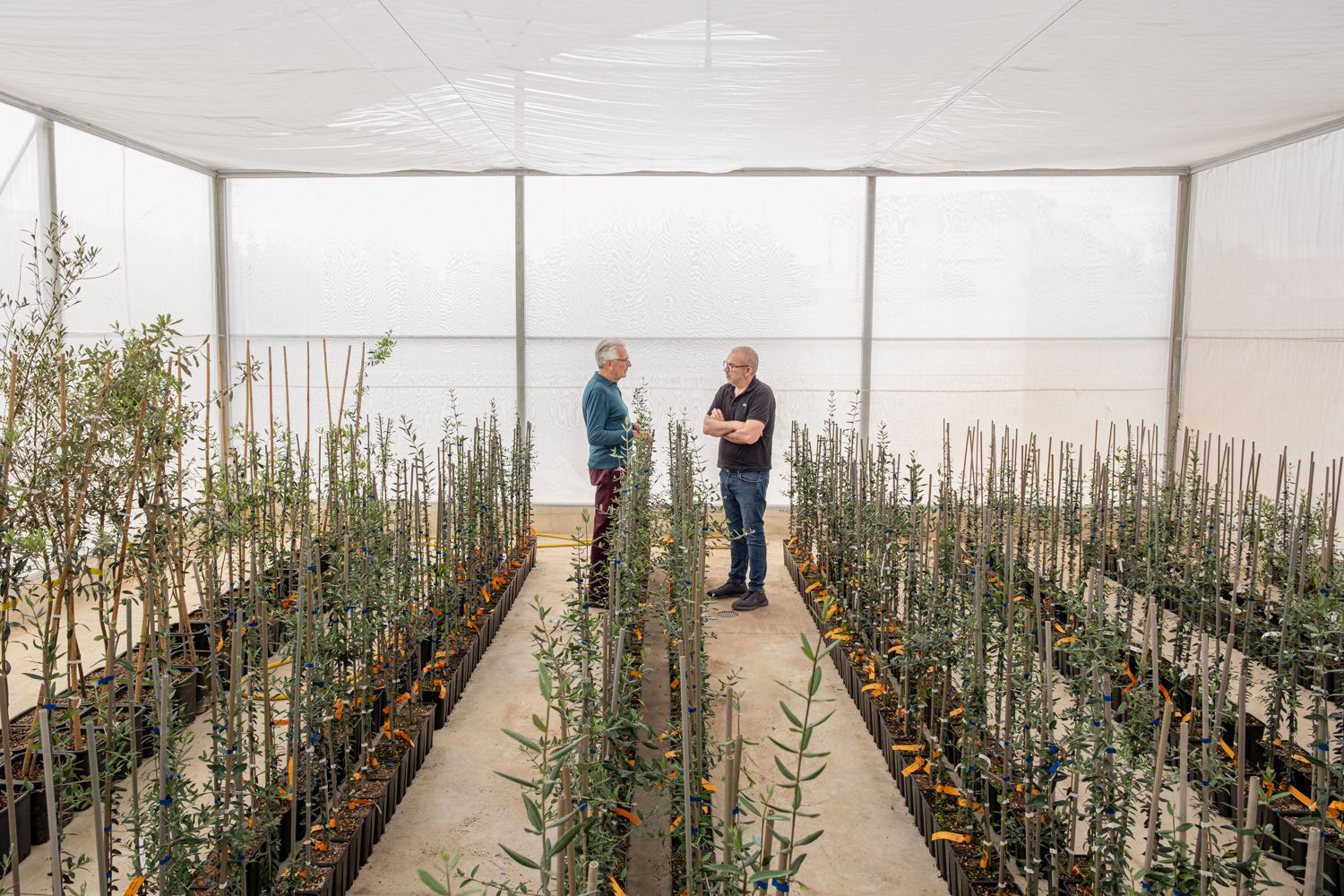
We have built a special Screen House, and have donated to the CNR and to Foresta Forte, which is the operating arm of the CNR for field research activities.
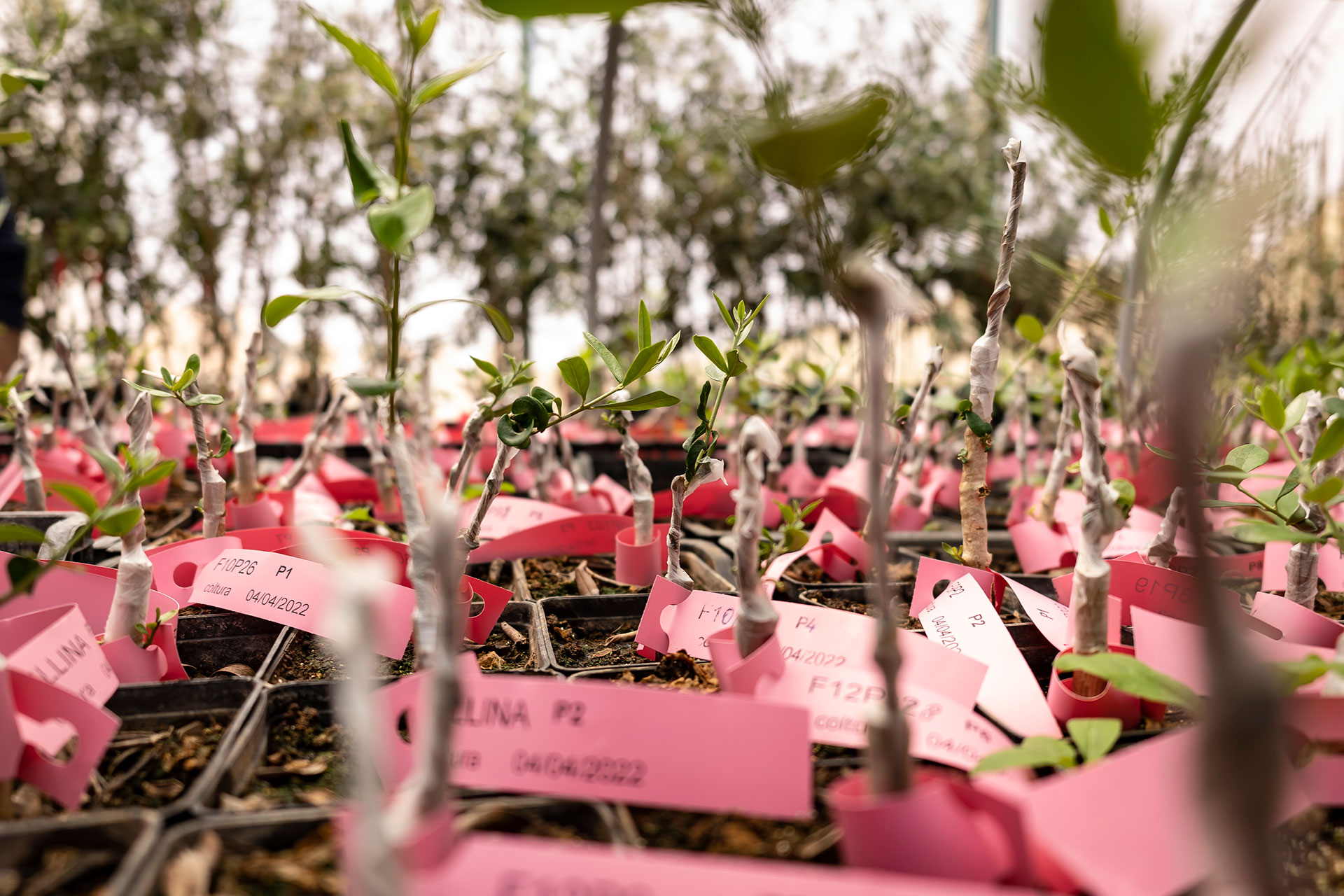
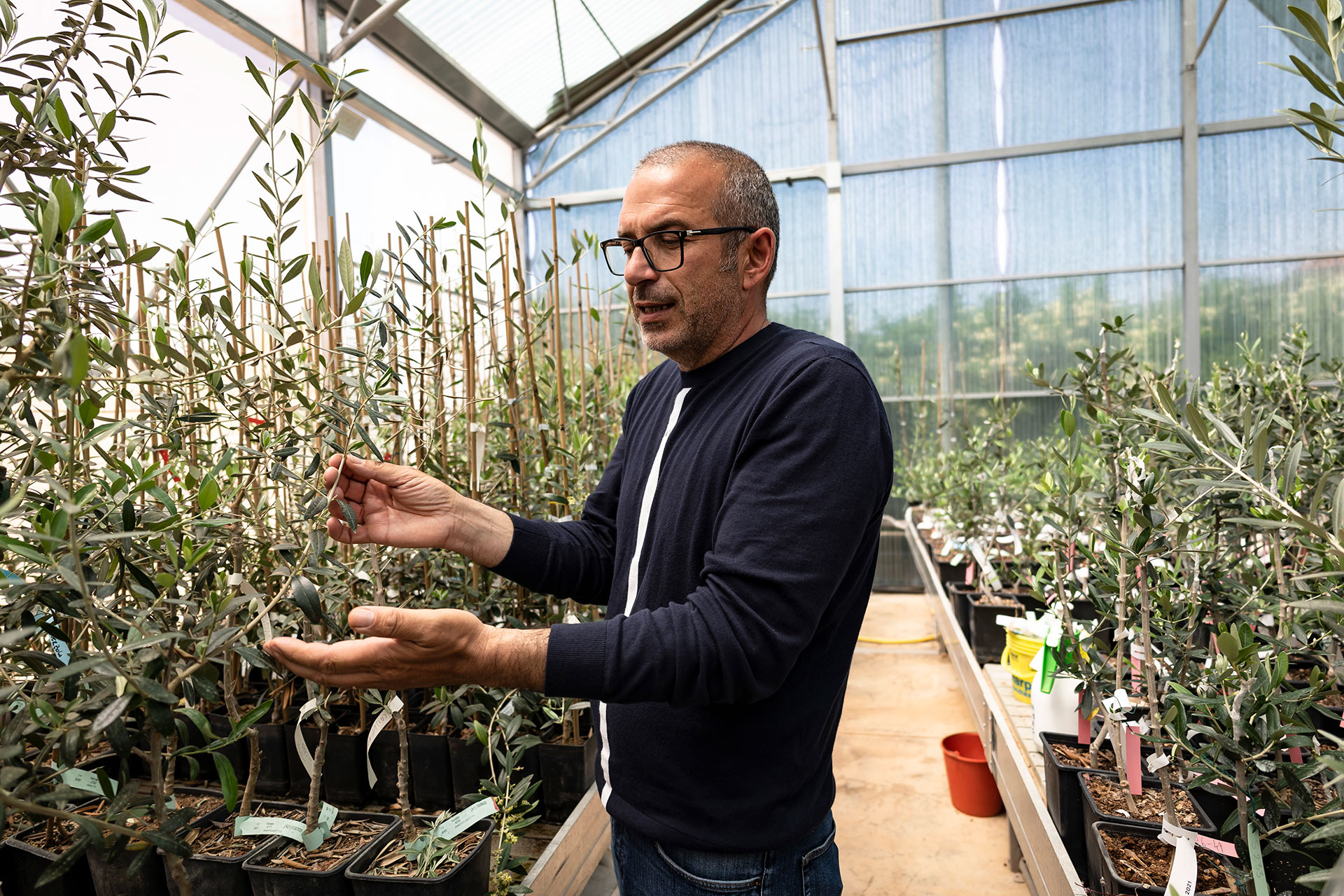
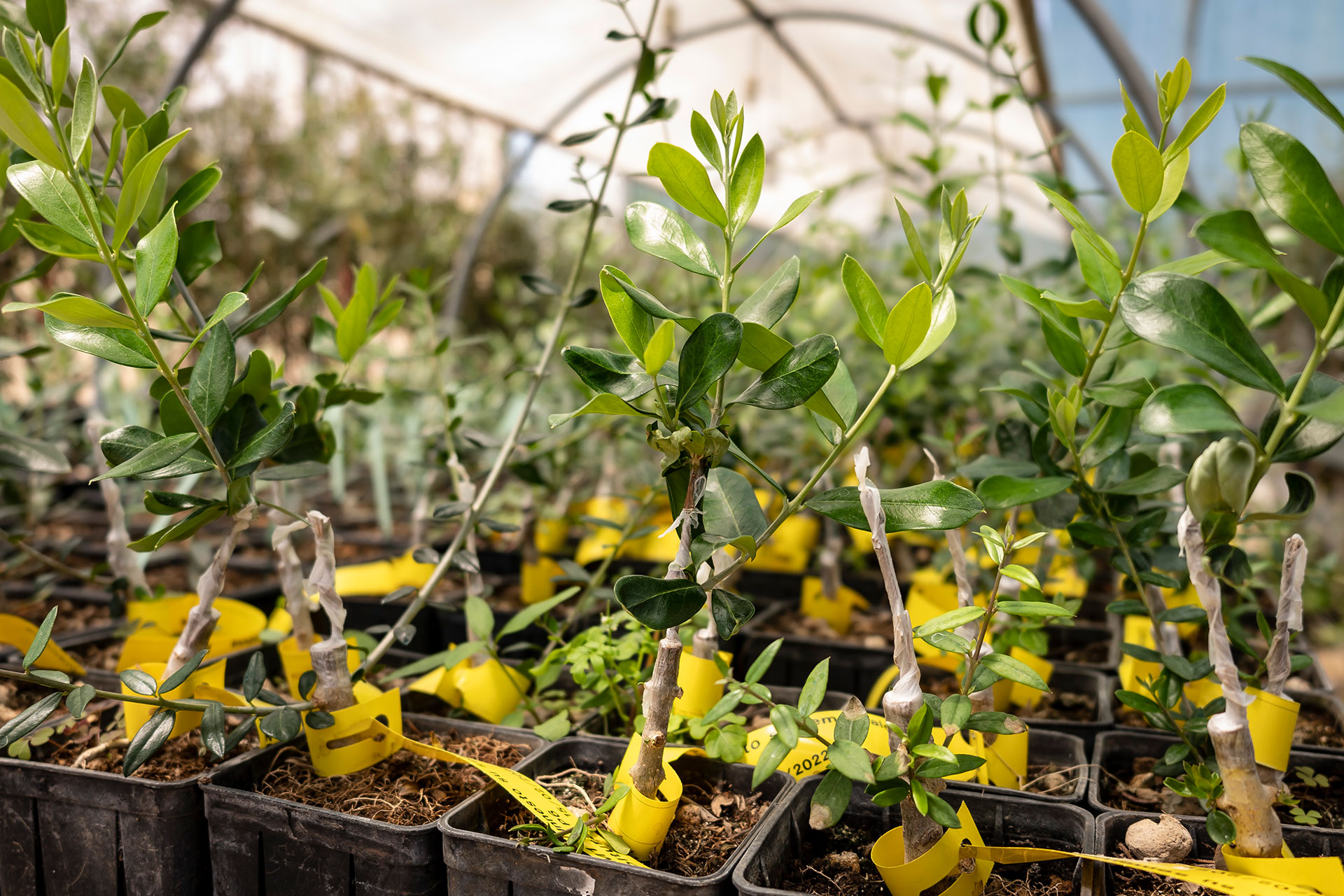
Among the many scientific works carried out in recently by the I.P.S.P. (Institute for Sustanaible Plant Protection) of the C.N.R. (National Research Council) in Bari, the most substantial and publicly known work is the identification of two varieties, Leccino and FS 17 (Favolosa), considered resistant to Xylella, and authorised by the Apulia Region for planting in infected areas. Today 2 new varieties have been added and authorized, the Lecciana and the Leccio del Corno.
02.
A Screen House for field research
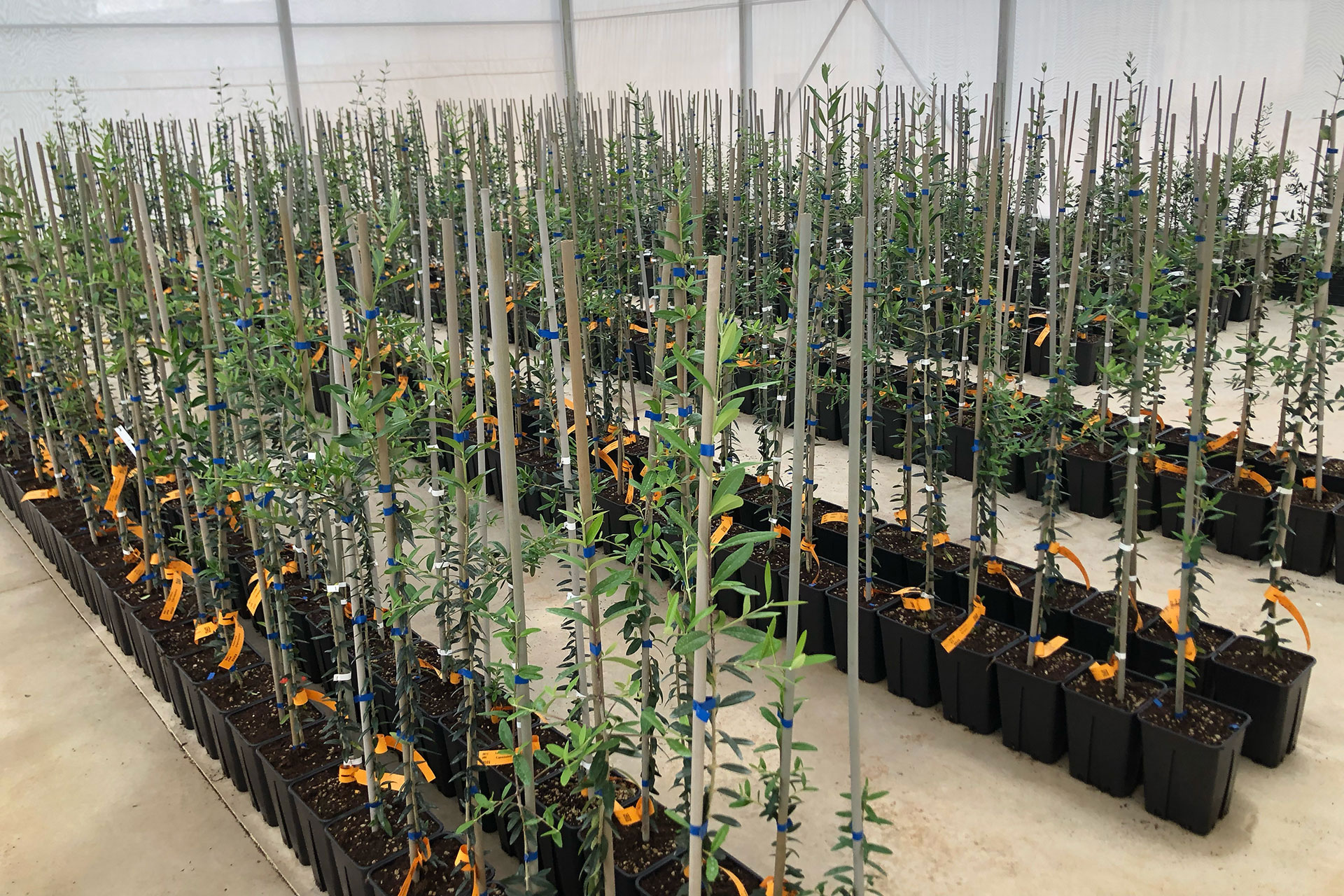
The Screen-House is a special greenhouse made entirely of anti-insect net, designed to ensure the complete isolation of the plants grown inside it from the outside environment. The internal environment guarantees high quality standards in terms of phytosanitary guarantees and the absence of pathogenic organisms on the plant material (viruses, bacteria, fungi).
The mother plants of the new olive varieties that have been identified during these long years of research, and the new olive varieties being tested, will be stored in the Screen House, the only place that guarantees them from external contamination.
Currently 4 genotypes are ending the testing phase and are ready to start the certification cycle. Another 90 genotypes, which are already productive, are ready for the xylella resistance test, the penultimate step in the various phases of experimentation.
This special, unique greenhouse will therefore be used to preserve the new olive varieties identified and created in Salento with excellent characteristics of resistance and productivity, and thanks to the ideal conditions guaranteed inside, to drastically reduce the physiological time of research.
03.
Experimental site biodiversity and varietal innovation in olive growing
Save the Olives is facing its most important challenge to date in order to provide a concrete outlet to years of hard work: the creation of an experimental site for biodiversity and varietal innovation in olive growing. Ongoing research for solutions to combat the Xylella epidemic on olive trees has now identified plant resilience as the primary objective on which the international scientific community’s investments should converge. Research programmes aimed at developing new varieties of olive trees that are genetically resistant to the Xylella bacterium, as well as genetic improvement programmes, require experiments which may last up to a few decades as in the case of an enduring plant such as the olive tree.
This is one of the reasons as to why, in the pre-Xylella era, very few genetic improvement programmes were aimed at olive trees specifically, unlike for other fruit species on an international level – none were developed in Italy. 13 years after the discovery of the Xylella epidemic in Apulia, it has now become clear that solutions to combat the epidemic must pass through the development of genetic improvement programmes. In order to do so, long-term availability of adequate facilities is required such as greenhouses, laboratories and experimental fields.
The availability of such facilities, however, is a limiting factor. Research institutions rarely have large experimental plots at their disposal to devote long periods of examination for a single experimental activity. The availability of farmland now complements the facilities that have gradually been made available to activate this first national programme of genetic improvement for the study of olive trees resistant to Xylella. Greenhouses, air-conditioned cells and screen-houses are now available in which the first breeding phases of the new plants produced by crossing native olive trees are developed.
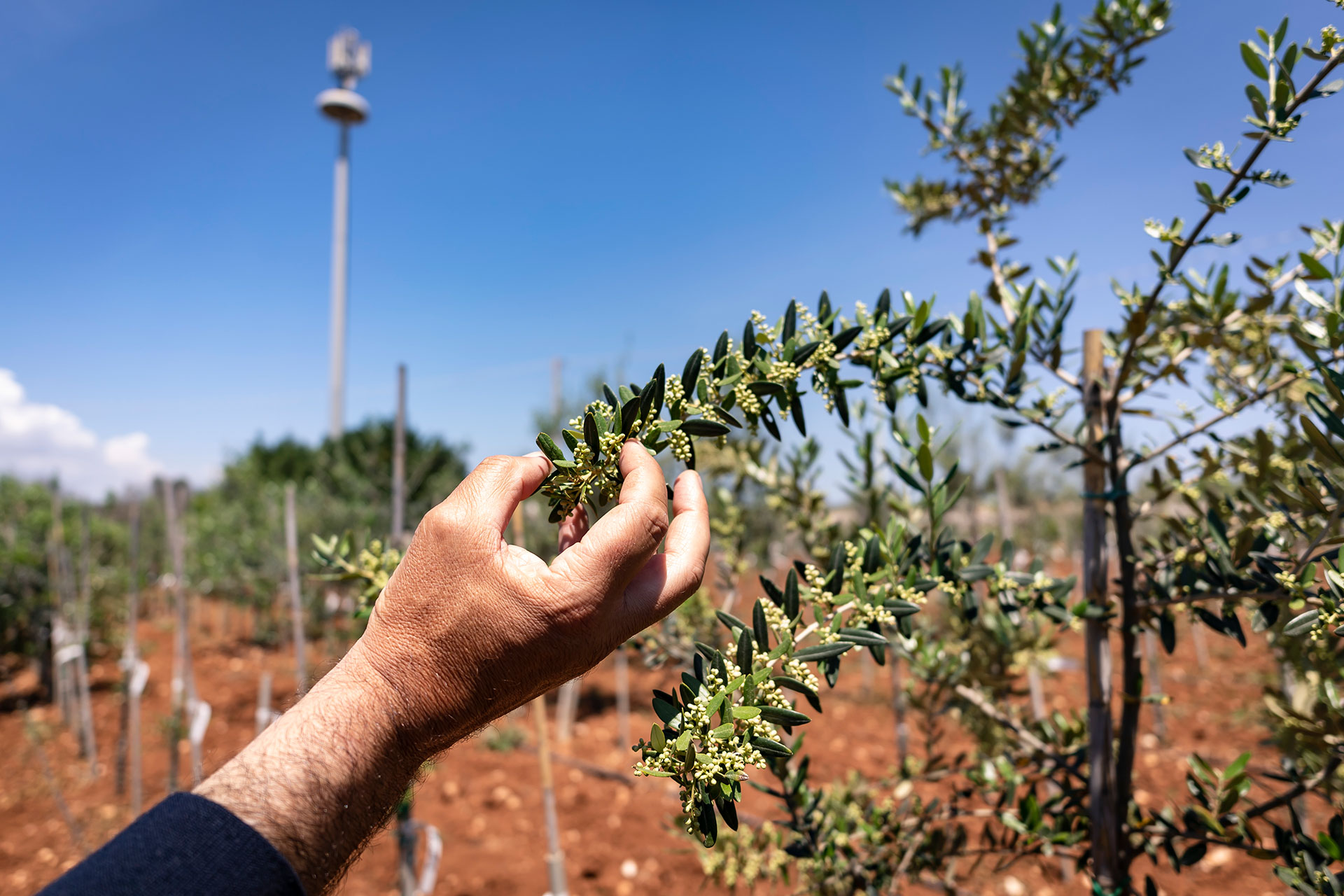
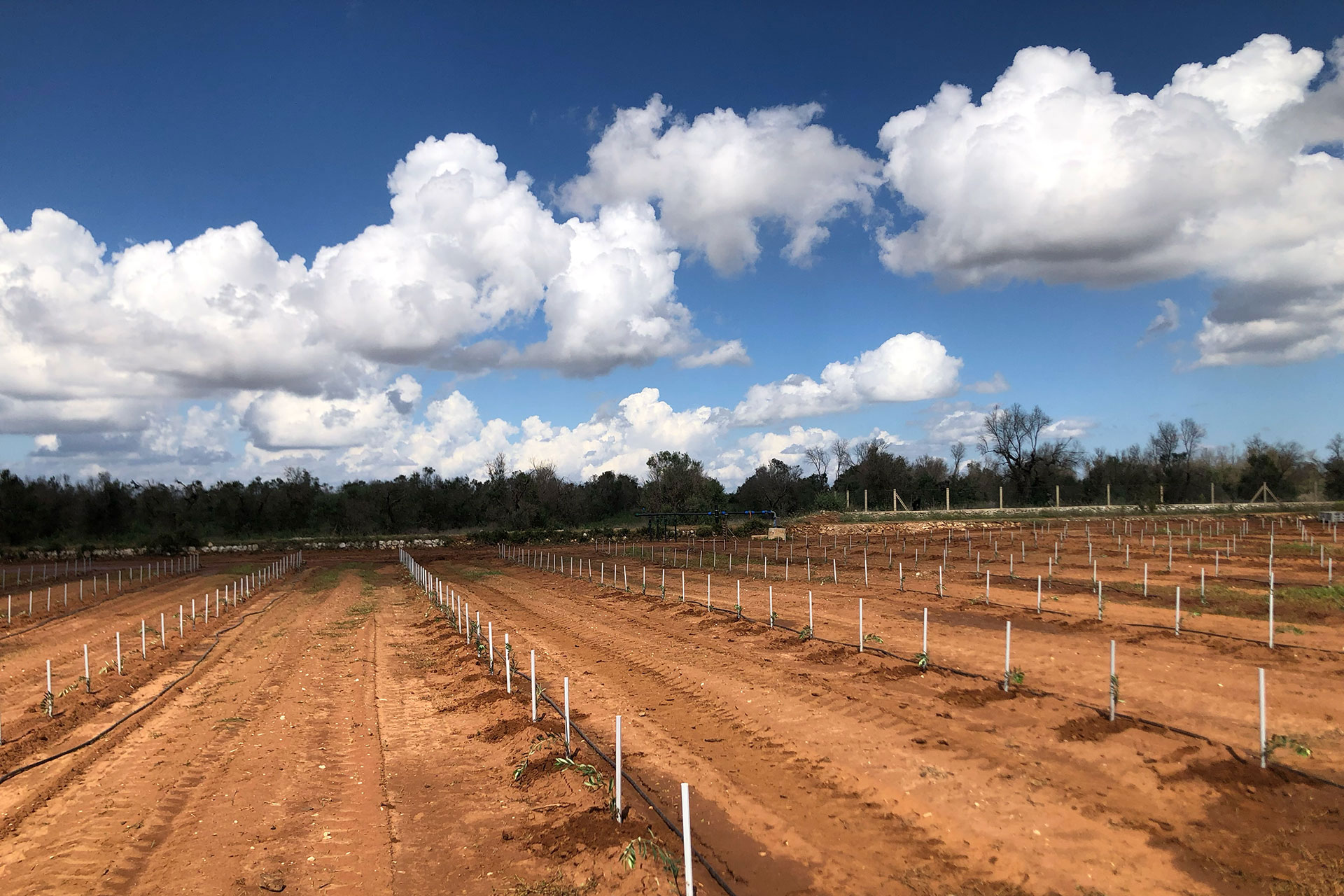
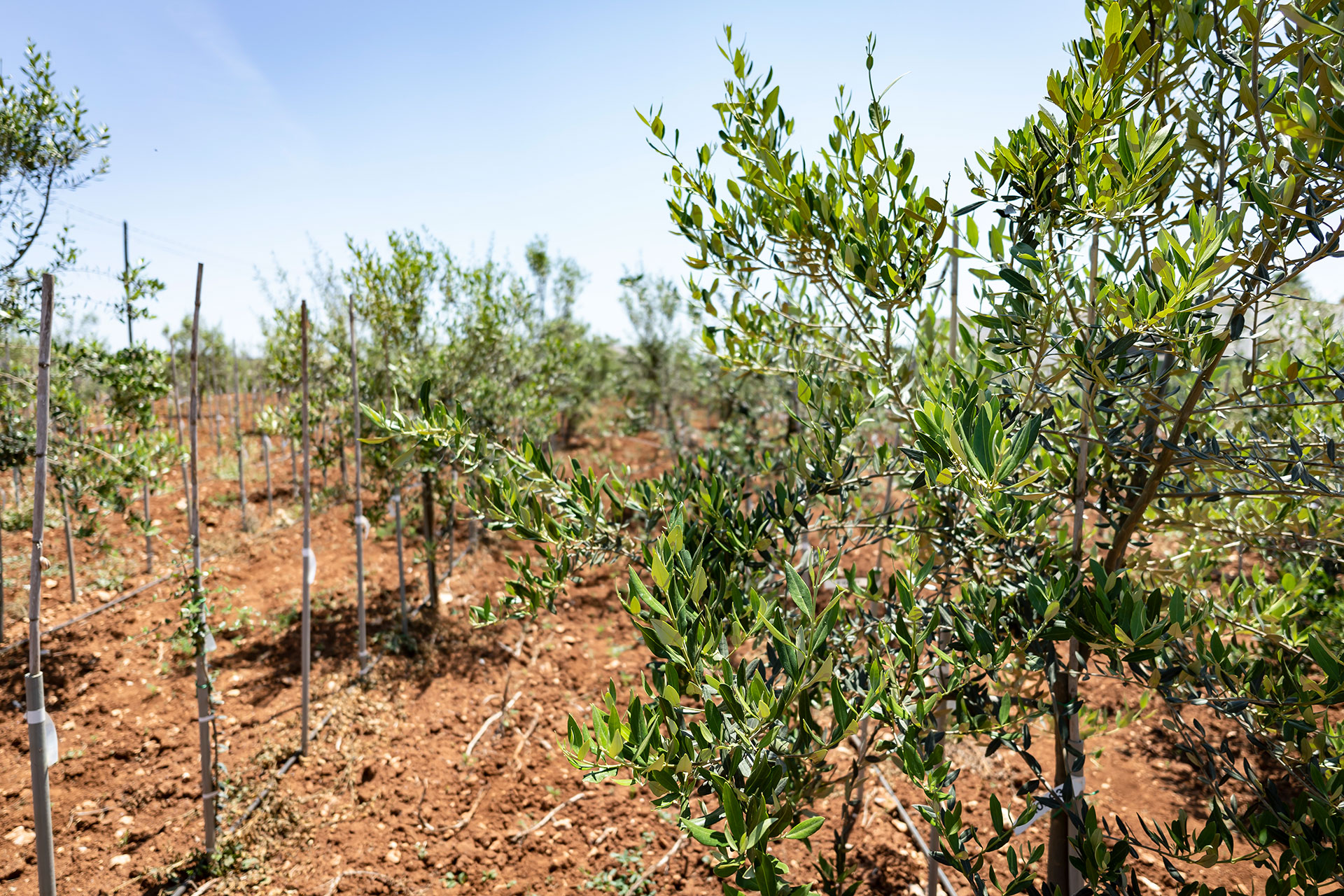
In June 2025 we purchased a first plot of 5 hectares in the municipality of Ugento, where our experimental field was born. In order to complete this chain, large agricultural areas are necessary to plant the seedlings, not only those produced thus far, but also those that will be produced in years to come and currently in the pot-breeding phase in greenhouses. It is an experimental olive grove allowing us to compare and evaluate the characteristics of thousands of plants, each one different from the other, in order to select those with the best characteristics of olive and oil production and resistance to both Xylella and climate change.
This is an experimental site that also serves as a repository of olive biodiversity. The genetic diversity that originates from plant-crossing activities is an important source not only for resistance to the Xylella bacterium but for countless other characteristics inherent to an olive tree: from its habitus, to the specific organoleptic qualities of the oil produced.
In August 2025 work began on preparing and milling the soil, to obtain an even surface suitable for planting. On 26 June 2026 the field was officially inaugurated and the first 800 olive trees selected for the field trial were planted.
Having such an experimental site available, which will complete, with production data gathered in the field, the selection of Xylella-resistant plants begun many years ago, is a medium to long term intervention which benefits the entire agricultural community of Apulia and beyond.
Support Save the Olives
With a donation of any amount or by adopting a monumental olive tree, you help fund research and the protection of Puglia’s olive trees.